Paracetamol: Past, Present, and the Path Ahead
How Paracetamol Changed the Way We Treat Pain and Fever
Growing up, every family I knew kept a pack of paracetamol close by. For headaches, fevers, or the aches that followed childhood vaccinations, this humble tablet became the go-to. Long before any of us could spell acetaminophen, doctors had learned it gave reliable relief without many surprises. The story actually starts way back in the nineteenth century, when chemists tinkered with coal tar derivatives and stumbled onto chemicals that eased pain. Acetanilide showed promise, but safety problems forced a search for alternatives. Paracetamol emerged in the late 1800s but only started making a real difference once its advantages became clear in the mid-twentieth century. By the 1950s, hospitals and families in Europe and America began reaching for paracetamol because it sidestepped the bleeding risks tied to aspirin. People wanted a medicine that worked for both fevers and pain but didn’t rough up the stomach. They got it.
The Pill in Your Hand: Practical Chemistry Meets Biology
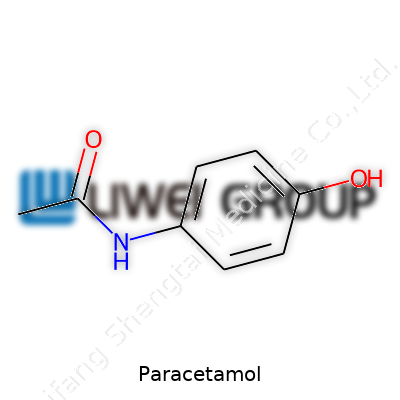
Pick up a white, chalky tablet—look closer and you’ll find a substance elegant in its simplicity. Paracetamol (C8H9NO2) shows up on the shelf as a crystalline solid, usually a bitter, odorless powder. It doesn’t dissolve too well in cold water, but warm it up and it’ll go down easier, which matters in the lab and in the gut. The melting point floats near 170°C, but in practice most folks care more about how rapidly the tablet dissolves and releases its punch. Paracetamol isn’t picky with storage but it doesn’t like extreme heat or humidity—moisture can wreck pill form and mess up dosing, and that’s a real problem if you want predictable relief.
Technical Details and Honest Labels
Every box sits on the pharmacy shelf by promise and by law. When I read a label, I expect to see the dose spelled out clearly—500 mg is common for adults, smaller doses fill the liquid bottles in pediatric aisles. Active ingredients take center stage and anything extra—like the coating or filler—should show up in plain English. Tablets and capsules usually keep the active substance pure, but some products come spiked with caffeine or codeine to address stubborn pain. Labels carry more than just numbers: clear warnings around overdose, liver risk, and mixing with alcohol stand out for good reason. Too many people, thinking the drug harmless, run into trouble after stacking doses by accident. Regulators require this info to keep folks from paying a high price for a simple mistake.
How Paracetamol Gets Made and Tweaked
Watching chemists work on paracetamol always reminded me of a cross between cooking and carpentry—measure, mix, heat, purify, check. The standard route starts with phenol: add a group here, cut one there, and you land on N-acetyl-para-aminophenol. Each batch counts on tight controls to keep impurities from sneaking through. Over the years, labs have tweaked the classic preparation, chasing cleaner yields or cheaper ingredients, but the heart of the process hasn’t drifted far from the original. After chemical synthesis, tablets roll out by blending the powder with binders and pressing them into pill form; liquids use sweeteners to mask the bitterness for kids (and, honestly, for parents).
Names, Brands, and Synonyms: Navigating the Medicine Cabinet
Most folks recognize the names paracetamol and acetaminophen, but the boxes on store shelves carry a dozen other aliases: Tylenol, Panadol, Calpol, and more. The different names reflect global habits—what started as “paracetamol” in Europe became “acetaminophen” in the United States. Pharmacies shuffle generic and branded forms, leading families to keep both branded Tylenol drops for fever and bulk bottles of generic tablets for everything else. Chemists may drop more technical synonyms like N-acetyl-p-aminophenol, but rarely do doctors or patients speak in those terms when asking for a fix.
Keeping It Safe: Practical Standards and Handling
Safety rules follow paracetamol from the factory floor to the home medicine drawer. Oddly enough, the line between safe and dangerous isn’t that wide. Therapeutic doses fall well below the amount that stresses the liver, but climb high enough and organs can take lasting damage. Pharmacies warn against mixing different cold remedies, since “hidden” paracetamol crops up in syrups, decongestants, and combination pills. At the industrial level, producers invest serious energy into keeping raw material handling dust-free and contaminate-free, with regular product checks to prevent tainted or under-dosed pills from reaching the market. In hospitals, nurses track every dose to avoid accidents; at home, adults field the responsibility for dosing and accidental poisonings, especially with curious kids around.
How We Use It: From Homes to Hospitals
Paracetamol turned into the backbone of basic pain and fever care. Parents reach for it with every spike in a child's temperature. Surgeons turn to it for post-operative pain when they want relief without stomach trouble or sedation. Folks with ulcers or on blood thinners count on paracetamol because aspirin and newer NSAIDs either irritate the gut or complicate the blood. In developing countries, the drug offers affordable relief, letting entire communities access pain management without waiting for a prescription. Even in high-tech clinics, the humble paracetamol finds its way onto order sheets, especially when doctors want to limit the risks tied to stronger drugs.
Chasing Better Ideas—Ongoing Research
Pharmaceutical research teams keep pressing past paracetamol’s old comfort zone, chasing clearer answers on how it works and how it might be improved. For years, scientists puzzled over its ability to lower fever and block pain. Unlike NSAIDs that quiet inflammation by slowing enzyme activity everywhere, paracetamol’s mechanism looked muddier. Recent evidence points to subtle inhibition in the brain’s pain-sensing pathways and possible interaction with serotonin systems. Clinical studies keep probing whether new salt forms, co-ingredients, or alternate delivery routes improve effectiveness or speed up relief. Research hospitals test high-dose infusions for cancer pain; other trials explore slow-release forms for chronic aches. Each new approach aims to tailor action and sidestep side effects, but no substitute has fully knocked paracetamol off its basic perch.
What We Know—And Worry—About Toxicity
It’s been sobering to watch how paracetamol’s safety reputation sometimes blinds folks to its real dangers. At normal doses, most patients slide through without so much as a blip on their liver tests. Overdoses, planned or accidental, tell a very different story. The liver handles routine breakdown, but large doses swamp this system, creating chemicals that kill cells. Fast action with antidotes like N-acetylcysteine can reverse damage, but there are still thousands of hospital visits each year for paracetamol poisoning. Warnings grew sharper as researchers logged rising deaths among people mixing alcohol or using the drug during long illness. Some countries debated reducing the size of OTC packagings to cut down on overdoses; others leaned on pharmacist counseling instead. Every safety move circles back to a hard truth—common doesn’t always mean safe, and real education matters.
Where Next? The Future of Paracetamol
Paracetamol will likely stay in home and hospital cabinets. With patent protections long since expired, prices fell low enough for public health programs, and generic forms dominate shelves across continents. Researchers push for clearer usage guides, aiming to help doctors distinguish who benefits most from paracetamol and who should seek alternatives. New forms—rapid-dissolving films, extended-release patches, and even combination regimens—dot the development horizon. Much of the ongoing work tries to balance easy accessibility with stronger safeguards, recognizing that the same pill that soothes a child’s fever can, if mishandled, threaten lives. Medical journals keep reflecting on the need for stronger toxicology education and better tracking of how people actually use multi-ingredient formulations at home. Between the realities of side effects, changing regulatory climates, and an evolving understanding of pain, paracetamol’s future looks stable yet constantly under review. It remains a strong example of simple chemistry making a daily difference—and of the never-ending diligence required to keep old medicines useful and safe.
Small Pill, Big Impact
Most people probably remember grabbing paracetamol from a medicine cabinet during a fever or after a long day that left them with a pounding head. Its generic look—plain, round, unassuming—doesn’t hint at the comfort it can offer. In my own family, paracetamol was the default for headaches, growing pains, or the sniffles that trailed along after a rainy afternoon. Simple packaging, simple purpose: help the aches melt away and the day feel a bit more normal.
The Relief Factor
Doctors often point out paracetamol’s reputation for being one of the go-to painkillers for everyday use across the globe. Not every medication gets handed over the counter to people without a prescription, and for good reason. Paracetamol earns this privilege through a track record backed up by decades of safe, reliable use. It’s designed to tamp down mild to moderate pain and reduce fevers. That covers a lot of situations—muscle aches after a new workout routine, toothaches that ruin a good meal, the nagging pain of mild arthritis, or a low-grade fever that keeps you up at night.
Understanding What It Can—and Can’t—Do
The practical uses for paracetamol match the realities of life. Headaches, for instance, disrupt focus at work and enjoyment at home. A tablet or two can let you stay present without the edge of pain. Parents know the worry that comes with a child’s fever. It creates stress, pulls energy, and often strikes at inconvenient moments. Paracetamol offers a way to help reduce the temperature, which can make both parent and child rest easier. Researchers have shown that it works by blocking signals in the brain that alert us to pain, which is why it’s not useful against swelling or inflammation like some other medications.
Safety Isn’t Common Sense—It’s Learned
One reason doctors feel comfortable recommending paracetamol for most adults and children is the low risk of major side effects when used as directed. I’ve seen people downplay the risks of everyday medicine, but even familiar substances have their limits. There’s a line with any medicine—take too much, and the liver pays the price. Reports from hospitals warn about overdoses that damage livers, causing long-term health issues or even leading to transplantation, which nobody wants. People with existing liver problems, including those who drink heavily, need extra caution and a chat with their healthcare provider before reaching for a new bottle.
Making the Most Of Everyday Medicine
Education and clear guidance help prevent accidents with medicines like paracetamol. Pharmacists and doctors keep stressing the need to read labels, follow dosing suggestions, and check whether other cold remedies contain similar ingredients. It’s an easy mistake, especially during cold and flu season, to double up by accident. New digital tools, like reminders on your phone or health apps that log medicine use, could help busy parents and older adults track what’s safe and what’s not. Pharmacies can hand out dosing charts and make safe use part of every conversation at the counter. Awareness doesn’t take away from paracetamol’s usefulness—it enhances it.
Trust Built On Experience
Years of everyday use and countless testimonials reinforce paracetamol’s place in medicine cabinets everywhere. It teaches us that relief doesn’t have to be complicated. Trust, in this case, gets earned through consistent results and knowledge built up over a lifetime, not just handed out by reputation. For aches, pains, and fevers, most people reach for paracetamol—because they know from experience that it usually works, so long as they respect its limits.
Understanding How Much Paracetamol Is Safe
People turn to paracetamol for relief from headaches, muscle pains, and fevers more than almost any other pill on the shelf. The green and white box looks familiar to many kitchen drawers. I’ve clocked in my fair share of aches that needed some easing, like many who see this drug as an everyday fix. Clarity about safe dosage keeps this convenience from causing harm.
A standard adult dose comes in at 500 milligrams to 1,000 milligrams at a time. The body can only clear out so much, so repeating this dose more than every four to six hours pushes risk. Most pharmacists stand by a four-gram (that's 4,000 milligram) maximum in any 24-hour span. Taking any more than that means the liver could be left with more than it can handle. Reports from major health agencies point out that liver damage sits at the center of most paracetamol-related emergencies in hospitals.
Children need smaller amounts. Their bodies just aren’t built for a full-size dose, and that’s why they get carefully measured syrups or half-tablets. Judging by weight, not just age, matters for little ones. Ethical advice here: Always double-check the bottle or talk to a nurse or pharmacist. Too little won’t cut the pain, but overshooting can quickly turn dangerous.
Why Getting Paracetamol Dose Right Matters
For most people, the urge to grab another pill when pain drags on feels natural. If a little helps, more should help more—so the thinking goes. In truth, paracetamol tops the worldwide list of drugs that can land people in the emergency room from accidental overdose. News stories keep reminding us about tragic cases where someone just took too many, often without realizing how much they swallowed across cold medicines, sleep aids, and separate pain relievers all containing the same ingredient.
The liver works as our body’s main cleanup tool. Paracetamol asks it to break down the drug and flush away what isn't needed. When the dosage goes over the limit, toxic byproducts build up. Unlike other medication mishaps, these effects can sneak up. A person might feel just a little tired or queasy at first. Serious injury could arrive many hours later, when intervention is far tougher.
Practical Steps to Safe Use
Reading labels and checking ingredients in every product cuts confusion. Many folks don't spot the small font list on multi-symptom relievers. That’s where paracetamol can appear several times under different names—acetaminophen in North America, for one example. If you’re taking medicines for coughs, allergies, and headaches, add up the paracetamol content from each bottle.
Doctors encourage time-keeping. Jotting down the hour and the amount every time a tablet is swallowed helps. Many families tape a chart onto the fridge, making it easy for everyone to keep tabs. If pain keeps coming back for more than a couple of days, experts advise seeing a health professional. That could catch an underlying issue, and keeps dosing in check.
Sharing this information openly can counter the assumption that safe means harmless. Paracetamol’s wide availability may trick people into seeing risks as low. Data from poison centers and emergency doctors proves that harm comes less from rare mistakes and more from simple, repeated misjudgments.
Keeping Pain Relief Both Simple and Safe
Paracetamol does important work on pain and fevers. Getting the dosage right—no more than 1,000 mg in a dose, nothing over 4,000 mg each day for adults—respects the body’s limits and avoids adding a trip to the doctor’s office on top of any aches. Friends and families can keep each other in check by reading, recording, and asking questions. In the end, pain passes, but keeping healthy means knowing where to draw the line with the pills we trust.
Why the Topic Matters
Grabbing a box of paracetamol from a pharmacy shelf comes easy. It sits in homes everywhere and most people use it, sometimes daily, for headaches or fever. People often ask if it’s safe to take paracetamol with other medicines—cold remedies, prescription drugs, or supplements. With so many options in the average household medicine cabinet, confusion can sneak in fast.
Real-World Scenarios and Druggist Advice
In my early twenties, I worked in a community pharmacy. Most questions weren’t about rare diseases. Customers needed straight answers: “Can I take this with my allergy pills?” or “Is it safe if I’ve already had my blood pressure medicine?” Paracetamol alone rarely causes problems in normal doses. Its reputation for comfort encourages people to treat it almost like candy, which brings its own issues.
Mixing paracetamol with drugs like antihistamines, decongestants, or ibuprofen usually doesn’t land someone in the hospital, but the picture changes with dose and long-term use. People who start stacking several cold and flu products may accidentally double up on paracetamol, crossing into dangerous territory. Overdose can sneak up, especially since so many packaged remedies contain paracetamol under brand names with tiny print.
The real trouble often starts when people mix paracetamol with alcohol or liver-affecting medicines. Too much paracetamol can hurt the liver, and extra risk creeps in if someone already takes medicine for seizures, tuberculosis, or drinks heavily. The British Liver Trust, for example, reminds patients that hospital admissions for paracetamol overdose are more common than most think.
Doctors, Pharmacists, and Information Gaps
Anyone who has juggled multiple prescriptions knows: no one follows every interaction warning tucked deep in the packet leaflet. In crowded clinics, people often forget to mention over-the-counter medicines. In some cases, the burden falls on pharmacists to flag combinations. Pharmacists check for drugs like warfarin, which can react with large doses of paracetamol to raise bleeding risk, or ask about liver health.
It’s easy for health professionals to say, “Always check with your doctor.” In practice, people combine products at home, especially during cold and flu season. Misinformation travels quickly. Some families still believe paracetamol is the “safest” painkiller no matter what—yet serious side effects are real if the guidelines aren’t respected.
Practical Approaches and Solutions
Raising awareness helps close the information gap. Pharmacies could offer clearer labeling on combination products, signaling loud and clear, “This contains paracetamol—don’t double up.” Regular check-ins, either through electronic health records or a simple medication review, offer another safety net. Teaching families—especially caregivers and older adults—how to read medicine labels and track total daily doses cuts down on accidental overdose.
Doctors and nurses can use everyday examples: “If you bought cough syrup and pain relief, check if both include paracetamol.” Simple, relatable messages work better than lists of interactions. In my experience, conversation, not just printouts, drives the message home.
Key Takeaway
Paracetamol seems safe, but mixing it with other medicines—especially in the fog of illness, stress, or pain—creates room for mistakes. Knowing the facts, asking the right questions, and keeping medicine cabinets organized make a big difference. It’s not just about trusting the pill; it’s about trusting yourself to use it wisely.
Nobody Expects Problems From Such a Familiar Pill
Most people keep paracetamol close. It comes out for headaches, aches, doses of the flu, sore joints, and the sort of pain that makes a regular day rough. Its popularity feels earned. The cost is usually low, side effects seem rare, and there’s no need for a prescription in many places. That convenience packs a hidden risk: it’s far too easy to forget paracetamol can cause real harm if misused, or even if taken as directed for too long.
Common Reactions Aren’t The Whole Story
Mild side effects like queasy stomach or rash show up sometimes, but in most people, paracetamol doesn’t bother the gut the way some painkillers do. That reputation for gentleness turns out to be a double-edged sword. People take it more often, sometimes without counting the pills, and trust they’re safe. The real danger lies under the surface.
Liver Takes The Hit
One fact jumps out after spending years in pharmacy settings and talking with doctors: liver damage from paracetamol isn’t rare. The liver doesn’t mind small, scattered doses. Trouble builds up when doses go over the recommended limit, or when someone takes multiple over-the-counter medicines—like flu remedies and pain tablets—without realizing paracetamol hides in both. The US Food and Drug Administration reports hundreds of deaths each year from accidental paracetamol poisoning. Hospitals still treat liver failure caused by this household drug. Symptoms creep in slowly: nausea, vomiting, confusion, yellowing skin. By then, the damage may have taken hold.
Mixing With Alcohol and Other Drugs
Heavy drinkers put themselves in the danger zone. Alcohol already puts strain on the liver, and even a few drinks can make paracetamol’s usual dose risky. Certain antibiotics and anti-seizure medications change how the body processes paracetamol, adding more stress. Not knowing about these interactions can put people on the road to serious harm.
Children and Elderly: Extra Caution Needed
Dosing for babies, children, or anyone with frail health shouldn’t be casual. Mistakes happen more often than anyone wants to admit. Liquid versions, pills, and chewables all have different strengths. A small overdose in a baby or an older adult with weaker livers can lead to fast-acting dangers. In my own work, I’ve heard from parents panicked after accidentally doubling a dose. Some end up spending long, anxious hours waiting for hospital blood tests.
Side Effects Worth Watching
Apart from the liver, rare people react with severe skin rashes, hives, trouble breathing, or swelling. These allergic reactions can strike even after years of safe use. Trust your own body’s warnings. Any strange skin change or swelling needs immediate attention. Doctors warn not to ignore those signals, since they can become life-threatening.
Smart Use Comes Down To Mindful Measures
Pausing each time before reaching for a packet gives the brain time to recall how much has gone down in a day. Reading labels closely—especially on cold and flu mixes—prevents accidental doubling. People with chronic health conditions, or those who drink regularly, should talk to their doctor about safer options.
Safer Use Starts At Home
Clear advice, honest conversations with pharmacists or doctors, and paying attention to dosages help most people avoid trouble. Recording doses helps in busy households. Remembering that even a mild, trusted tablet like paracetamol can do harm goes further than any warning label tucked in a box.
Why Parents and Expecting Mothers Trust Paracetamol
Every parent knows the panic that sets in when a child spikes a fever. Most home medicine cabinets hold a bottle of paracetamol. It’s the go-to relief for teething pain, aches that keep little ones up at night, and childhood fevers that come out of nowhere. Doctors and nurses have recommended it for decades, and the drug’s long history builds a sense of security for both parents and pregnant women dealing with headaches, back pain, or mild illness.
What Decades of Use Actually Tell Us
You can't ignore how often paracetamol shows up in medical advice. The World Health Organization and countless national pediatric groups list paracetamol as a first-line painkiller for kids. Hospitals use it for newborns after minor procedures. Pregnant women dealing with stubborn headaches or fevers reach for paracetamol after doctors wave off stronger drugs. Its approval stretches back roughly 70 years, and researchers have tracked outcomes for millions. Reports show most children and pregnant women tolerate recommended doses well, and there’s clear evidence that it doesn’t lead to birth defects or obvious problems right away.
What Risks Lurk in the Fine Print?
Easy access hides some real dangers. Liver damage can sneak up on parents who misread a dosing chart or give doses too close together. Accidental double-dosing happens when cold medicines or teething gels also contain paracetamol, usually without clear warnings. Emergency rooms treat thousands each year for overdoses linked to this confusion. Every year, poison control centers warn that mixing medicines or using “just a little extra” to bring down a stubborn fever turns a safe medicine into a serious threat.
Recent research sparks new questions about using paracetamol in pregnancy. A few studies link long-term use or frequent doses to a slightly higher risk of hyperactivity or developmental conditions. While the connection doesn’t look certain yet, researchers keep looking for answers because these findings can’t be ignored. Drug safety in pregnancy walks a thin line; no parent wants to trade pain relief for risk they could have avoided.
The Community’s Responsibility
Parents, caregivers, and doctors all share responsibility here. I’ve seen anxiety in parents who dread calling the doctor over a simple fever, afraid to bother professionals. My own experience raising children taught me: no question about medicine is too small. I tell anyone who’ll listen—write down doses, double-check with a healthcare provider, and stick to the written instructions. Each country publishes different guidance based on typical child weights and strengths of available liquid medicines, so there’s no excuse for one-size-fits-all advice. The effort keeps families safe.
Health workers and pharmacies carry an extra burden. Clear labeling brings down mistakes. Pharmacy staff play a quiet, crucial role by pointing out dosing syringes, demonstrating correct amounts, or just reminding sleepy parents about the dangers of double-dosing. Community education about medicine safety could save lives. National health groups should keep updating parents and expecting mothers as new research comes in, not just relying on decades-old leaflets.
The Bottom Line—Vigilance Over Habit
Paracetamol won trust through years of mostly safe use, but no medicine should get a “forever safe” badge. Safe use depends on honest questions, new science, and respect for clear medical advice. No parent winds up regretting a few extra minutes spent double-checking a dose or asking for advice. That kind of awareness—not blind trust—keeps this common medicine as safe as possible for the families who need it most.