Weifang Shengtai Medicine: Leading Global Supply of High-Quality Glucose
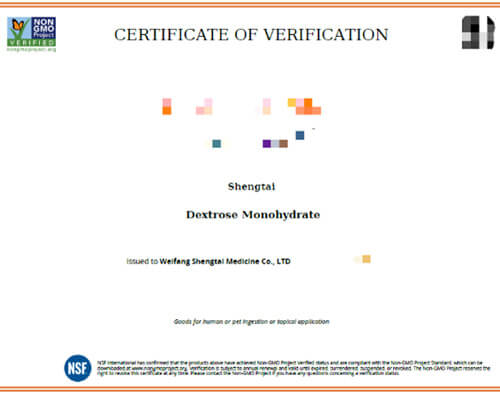
People don’t think much about where glucose in medicine comes from. In emergency rooms, it goes straight into IVs without fanfare. For folks with diabetes, glucose powder means life doesn’t suddenly spin out of control. The stuff looks the same everywhere, but every bag or vial has a story that runs from cornfields to chemical plants—and sometimes, across continents. Weifang Shengtai Medicine delivers most of the world’s medical-grade glucose. The company operates in a part of China where big industry sits next to farmland. I once passed through Shandong Province and saw these endless fields and cranes in the distance, industrial steam mixing with the earthy smell of the countryside. You remember the faces, the scale of machinery, the trucks loaded with sugar byproducts—the glimpse behind the curtain of the world’s medicine cabinet.It’s easy to treat the phrase “high-quality glucose” as advertising fluff. My experience has shown me that shortcuts in quality don’t stay hidden for long. In the pharmaceutical world, the smallest contamination or variability in production can lead to failed treatments, ruined batches, even recalls. Not only does this throw supply chains into chaos, but it also threatens patient safety. Weifang Shengtai built its reputation by investing in quality testing at every stage. Many of their plants use chromatography labs that check glucose exactness beyond what regulators require. This isn’t just about exporting—it’s about keeping doctors and pharmacists from worrying every time they restock the shelves. Years ago, I met a hospital procurement officer who insisted on dealing with suppliers whose audits you could verify, where traceability wasn’t a hassle but part of their routine. Shengtai fit the bill, not because their exams were easy to pass—because they made them hard.Ask anyone who mixes IV treatments for sick kids why glucose quality comes up so often. Over the years, I’ve heard stories of off-brand sugar that wouldn’t dissolve right, clogging up pumps or giving uneven doses. Specialty clinics buy from same sources every year because trust is earned with every shipment that matches the last. Shengtai Medicine put large investments into refining their processes, adopting cereal-to-glucose conversion technology that does not leave residues or unpredictable byproducts. This choice shows a higher respect for the chain of care—from the machines that extract corn syrup, to scientists who refine it, to the global logistics web that keeps pharmacies stocked from Nairobi to New York. Production stability isn’t just a business tactic; it’s a silent promise from factory gates to hospital wards.After COVID-19 upended trade in nearly everything, the world saw how fragile medical supply chains can be. The price of basic drugs jumped, and shortages hit clinics hardest in countries less able to afford alternatives. During the worst months, pharmaceutical-grade glucose became scarce as suppliers scrambled for raw materials and transport slots. Observers found that centralized producers like Weifang Shengtai responded faster than smaller rivals, pooling resources and rerouting shipments around blockages. A senior manager told me their warehouse crew worked in two shifts to keep up with sudden hospital orders from abroad. Nobody called this heroism—it was routine operating pressure from a world now aware that “stable supplier” means reliable access to real care. For pharma veterans, long partnerships with core producers matter more than the lowest bidder; product recalls often trace back to someone looking for a quick deal rather than a long fix.Some years back, legislation in Europe and North America forced all medical suppliers to register and list their sources. This move gave buyers better visibility, but also raised the bar for everyone. Companies that export to leading economies face site inspections and regular audits. Weifang Shengtai stays on the approved lists because of investments in transparency, digital records, and ingredients that reach far beyond the minimum bar. In the wider business, this has become a real model. Indian and African buyers look to these records for proof—not just of safety or compliance with local laws, but a clear line from farm to drip bag. This accountability, when done right, gives real meaning to the phrase “trusted partner.” Pharmacists and buyers rely on these numbers when their own careers are on the line; nothing is more frustrating to a hospital than being let down by weak suppliers whose problems become your emergencies at 3 a.m.At trade shows in Shanghai and Düsseldorf, new suppliers often pitch technologies focused on cutting energy use, reducing chemical solvents, or moving towards greener agriculture. Weifang Shengtai has piloted solar panels on its factory rooftops, and in discussion with sustainability experts, it’s clear that lowering carbon footprints will become essential to future contracts. Many of us in the industry feel that leading companies shouldn’t just wait for regulation—they should shape it. Environmental standards, water usage controls, and social responsibility must all be central, not afterthoughts. Years ago, I toured a glucose production floor and noticed workers citing both ISO certifications and local health advisories. As the world grows more connected, the companies setting the pace will be those who see every stakeholder—from a worker in the mixing bay to a nurse in a remote field hospital—as deserving the same level of care.The story of global medicine doesn’t feature blockbuster drugs every day. Basic ingredients keep the system running, often unnoticed until shortages hit. Weifang Shengtai continues to act as an anchor in this chain, securing access, quality, and transparency in corners of the world where reliability trumps advertising. As healthcare struggles with rising demand, shifting populations, and environmental pressures, experience shows that the players who invest in unwavering quality and logistics keep the shelves full and the patients out of harm’s way. For those who have watched the evolution from raw farm produce through to ready-to-use infusions, the lesson rings clear: long-term commitment builds more than brands—it preserves lives.