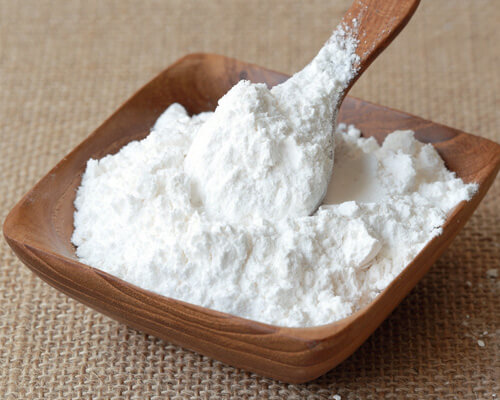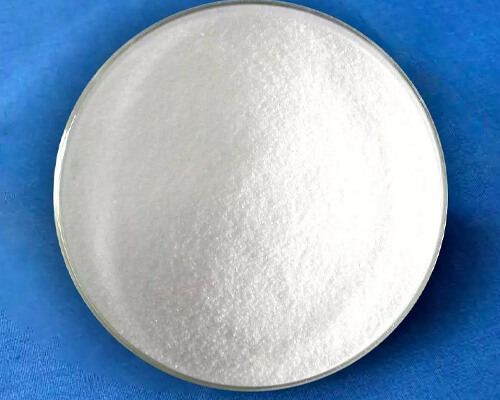
Weifang Shengtai Pharmaceutical Glucose

 Anyone who’s visited a hospital in China has probably seen the ubiquitous little glucose bottles lined up behind the nurse’s desk or felt the sticky warmth of a glucose IV. These bottles trace their origins to companies like Weifang Shengtai Pharmaceutical. They don’t usually make headlines, but their role runs deep throughout the healthcare chain. Here’s the thing: glucose sounds straightforward, but it feeds right into some of the most pressing questions around China’s healthcare, supply chains, and environmental impact. Walk into a production facility run by a company like Shengtai, and the scale jumps out. Tanks filled with corn-derived solutions, rows of automated lines churning out thousands of bottles an hour — these are sites made possible by years of technological upgrades and tight logistics. Glucose, chemically nothing exotic, gets used for rehydration, nutrient infusions, and as a carrier for many medicines. The World Health Organization has listed glucose among its essential medicines because countless medical procedures and emergencies start with a reliable, safe infusion. Shengtai and similar manufacturers have built systems that stretch far past city borders, serving small clinics and big urban hospitals alike. It’s often easy to take this for granted, but the past few years have exposed just how fragile these links can be. During the early months of the COVID-19 pandemic, hospitals reported shortages of intravenous solutions, including basic glucose bottles. The surge in demand, combined with transport bottlenecks and local lockdowns, turned a routine supply item into a national headache. This raised tough questions for companies like Shengtai. Large-scale pharmaceutical production has always balanced efficiency with the challenges of quality control and logistics. But a new level of resilience became necessary, adding costs and complexity to a business that isn’t known for fat margins. As China pivots toward stricter environmental standards, another layer of scrutiny falls onto manufacturers. Pharmaceutical production involves not only sourcing massive quantities of starchy agricultural produce — such as corn, potatoes, or other roots — but managing significant water, chemical, and energy use. Each glucose bottle that rolls off the line carries a hidden footprint, from farm to cabinet. Over the past decade, the Chinese government has pressed the industry to reduce emissions, recycle water, and treat wastewater to higher standards. Factories that once dumped residue into local waterways face tougher inspections, and the bar has been raised on everything from packaging waste to energy sourcing. For Shengtai, this has meant investing in cleaner technology, retooling wastewater plants, and sometimes slowing production cycles to ensure compliance. Inside the factory, the pressure for safety doesn’t let up. Contaminated glucose solutions have made headlines in the past, leading to patient injuries and triggering mass recalls. Chinese pharmaceutical quality scandals cast a long shadow, pushing the public to doubt even routine treatments. To combat this, Shengtai and other firms have ramped up digital tracking, batch verification, and strict supply chain vetting. Regulatory bodies demand batch-level traceability and random quality checks, sometimes pulling from hospital shelves without notice. The burden falls on every link of the chain, from a cleaner sweeping the loading dock right up to the company’s chief chemist. The stakes are clear: a single oversight can shatter trust and risk lives. With global supply chains in flux, Chinese pharmaceutical makers also face new export opportunities, especially in less-developed regions where imported medical supplies cost more. For a company like Shengtai, business growth often means expanding beyond local provinces and, in some cases, bidding for international contracts. The trick is to maintain the same quality considerations abroad that have become so prominent at home. Those standards have to travel with the product. Recent years have seen an uptick in cross-border regulatory cooperation, but compliance costs can hit smaller firms hard. It’s a careful balancing act: offering affordable products while building a reputation that meets — or exceeds — foreign inspection regimes. The next step involves more than just bottling and shipping. As more hospitals automate inventory and digitize procurement, pharma suppliers need to communicate better with hospitals: providing delivery forecasts, transparent sourcing information, and, when necessary, rapid recall mechanisms. Technological upgrades aren’t just another expense; they can make or break relationships with major health systems. This transparency, as encouraged by recent Chinese FDA guidelines, builds patient safety into every batch produced. It also signals to local communities that the company is conscious of its responsibilities beyond profit sheets. All of this points to a broader question. Medicine rarely stands alone as just a product; every bottle of glucose links farms, factories, environmental agencies, hospitals, and families. Companies like Weifang Shengtai Pharmaceutical navigate pressures from every direction. They deal with regulatory crackdowns, shifting export markets, resource conservation demands, and public trust issues — all while providing a product that most people won’t remember, unless it fails. Having watched the pharmaceutical industry evolve over years in China, it’s clear that companies which survive and grow tend to see themselves not just as vendors, but as stewards of community health and safety. Looking forward, real solutions depend on coordination. More agile logistics networks, stricter data-driven quality tracking, and ongoing investment in cleaner technology make a difference. Hospitals and manufacturers need open channels — not just for reacting to crises, but for smoothing out everyday hiccups before they escalate. Local governments, too, play their part in inspecting and guiding factories while supporting safe agricultural practices upstream. At ground level, people working those production lines need the confidence of knowing their training and equipment meet real-world challenges, not just regulatory checklists. In the end, glucose might seem like just sugar water, but in hospital wards and rural clinics, its value multiplies many times over. Companies like Weifang Shengtai Pharmaceutical, pressed by both public needs and shifting industry standards, shape the experience for millions of patients each year. Their choices ripple far beyond the factory walls. When supply systems hold up and strict quality standards meet community expectations, medicine does exactly what it’s supposed to do: quietly, reliably, and to the benefit of everyone involved.
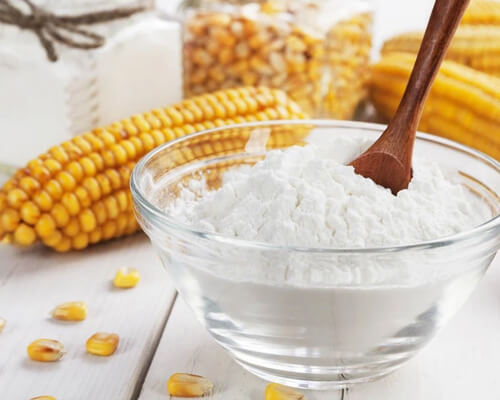
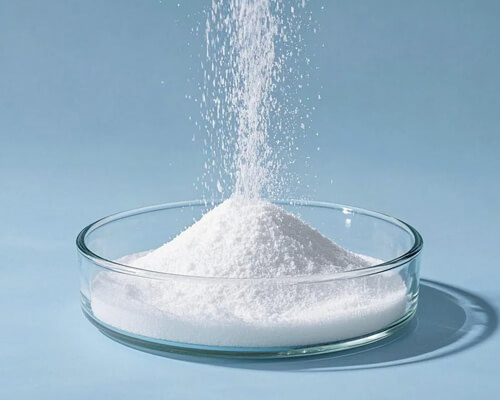
Weifang Shengtai Pharmaceutical: Deeply involved in the entire industrial chain of pharmaceutical raw materials and starch sugars

There’s always been talk about how shaky global pharmaceutical supply can get, especially when industries depend so much on a handful of suppliers for their basic ingredients. If you’ve seen the waves caused by export restrictions or sudden shortages of active pharmaceutical ingredients, you know security in sourcing matters. Weifang Shengtai Pharmaceutical stands out in this space largely because the company digs deep into the whole chain instead of hovering on the surface. From corn fields and sugar beets to factory floors thumping out the base material for countless drugs, the operation runs all the way down. Patents and formulations do not mean much if shipments don’t arrive and stand up to regulatory checks. Shengtai’s approach, controlling everything from sourcing to processing, speaks to a kind of real-world resilience that most paper strategies can only hope for.Quality lapses in pharmaceuticals can ruin trust overnight. Recalls, regulatory blocks, and public nervousness don’t come from nowhere—they usually start with an ingredient snafu or a corner cut under pressure. I’ve seen small mistakes turn huge for manufacturers who left their ingredient sourcing two time zones away, with little means to audit how that starch or that active compound was actually made. Shengtai doesn’t just buy raw materials piecemeal and hope for the best; it turns local crops into pharmaceutical-grade intermediates in-house. When someone controls their own starch sugar output, turns it into specialty excipients and APIs for medicine, then packages and ships it, there’s little room for surprises. This approach matches up to what regulatory agencies push for: traceability, clear documentation, and the ability to respond quickly if something begins to slip in quality. You only get that sort of confidence when you run the supply chain, from paddy to packaging line.There’s constant talk in the business world about “innovation,” but in a field like pharmaceuticals, it often means bringing new efficiency and safety into the old grind. Shengtai’s use of locally grown corn and other raw materials to produce everything from glucose to more complex molecules underlines how linking industrial work tightly to local agriculture can both save costs and drive product consistency. This reduces pressure on international trade routes, matches local varieties with production techniques, and supports farmers as much as factory workers. That tight integration builds a company’s reputation among both government regulators and end customers. It makes products less liable to price spikes linked to world events or transport snafus. Not every pharmaceutical firm has both the knowledge and the incentive to dig into every layer of their resource base. Shengtai’s strategy has translated local relationships and regional strengths into global market reliability—a model that could help reshape how essential drugs are produced worldwide.Raw material prices can change overnight, turning an entire year’s budget upside down. Those who rely only on buying at market rates suffer most. Weifang Shengtai avoids that uncertainty by working at every level—from farmer to finished drug supplier. That keeps costs more predictable and allows the company to adjust recipes and processes without sending teams halfway across the world to do damage control. Competitors who buy raw starch from abroad or depend on third-party contract manufacturers can find themselves waiting weeks for answers during a contamination scare. Full-chain companies like Shengtai can spot and react to issues before they hit the headlines. That level of flexibility matters not only for company profits, but for health systems and end-users. It’s an approach that balances margins, risk, and social responsibility in an industry where small errors quickly become news.In my own work visiting factories and agricultural sites, I often see the difference between companies that understand their raw material—and those who treat it like a generic input from a catalog. The best production floors smell clean, with workers who know what good product looks like before it’s tested in a lab. Shengtai’s vertically integrated approach means its people understand each step, from which variety of corn gives the smoothest syrup, to which filtration process yields a cleaner powder. I’ve heard engineers explain how changes in local weather or harvest cycles can nudge process variables up or down. Knowing a starting material inside out allows for constant small improvements. That wisdom—earned through long, close contact with the land as well as the lab—adds up to reliable product, time after time.Modern pharma faces more scrutiny now than ever—on carbon footprints, pesticide residues, fair wages, and the ethics of supply chains. Too many companies respond with window-dressing or PR campaigns. By keeping things local and direct, investing in efficient processes, and employing a big workforce in a regional hub, Shengtai’s model tackles those concerns at the root. Local processing cuts transportation miles. Tight control slashes the risk of adulteration scandals. Area farmers working with Shengtai know they have a buyer who cares about quality because it’s their own job on the line if something slips. Regulators want to see traceability, efficiency, and worker safety baked in from day one—Shengtai’s approach lines up with those values much better than remote, transactional supply chains ever could. There are always areas needing improvement, but starting with a deep connection to the full chain gives better odds than white-knuckling through the next global challenge.With more governments digging into drug shortages and pushing for domestic security, it’s time for others in the field to rethink the afterthought treatment of raw materials. Trust and reputation get built batch by batch. There’s no shortcut to oversight. Watching a company like Shengtai build up full-chain capability through investment, training, and local integration shows a path forward. Pharmaceutical security, jobs, innovation, and product safety aren’t separate goals—they come together naturally when a company commits to seeing the whole picture, not just next quarter’s price. That’s something everyone in the pharmaceutical chain, from regulators to end-users, would do well to remember.

WeiFang Shengtai Pharmaceutical Co., Ltd. offers a full range of food-grade starch sugar products, covering all applications in food processing.

Most folks walk down grocery aisles and don’t think twice about what goes into the food on those shelves. Starch sugars quietly shape almost everything from bread to popping boba in bubble tea. I grew up making homemade jelly with my grandma, measuring spoonfuls of sugar over sticky fruit, never guessing the backstory behind each grain. Today, a company like WeiFang Shengtai Pharmaceutical Co., Ltd. stands out by offering a full spectrum of these starch-based sweeteners for food processing. For those in the trenches of manufacturing—bakery technicians, confectioners, beverage formulators—having access to such a reliable supply is nothing short of a lifeline. Sugar alternatives from starch don’t just sweeten products. They stretch shelf life, boost texture, and cut production costs. As a food lover and home cook, I’ve seen how tricky it can be to balance taste, texture, and cost—and this balancing act plays out at a much larger scale in factories every day.Anyone who’s read the fine print on a snack wrapper or soft drink label probably bumped into unfamiliar names like glucose syrup, maltose, or high fructose syrup. These are all starch sugar products synthesized from sources like corn, wheat, or cassava. When I first started learning how foods are made, I was surprised by the sheer importance of trustworthy ingredient sources. Low-quality ingredients might slip under the radar in a home kitchen, but for big brands, a single batch with color inconsistencies or off-flavors can ruin a product line’s reputation. For me, the real eye-opener was discovering how critical it is for manufacturers to guarantee product safety at every stage, which links back to the reliability of suppliers like WeiFang Shengtai. Their products go through rigorous testing not just for taste or clarity, but for heavy metals, microbial purity, and absence of harmful residues—an expectation that aligns with both Chinese food safety law and growing global standards. Food scandals have occurred around the world, wiping out consumer confidence overnight, so companies count on suppliers who meet these high benchmarks every single time.In food production, making each batch the same as the last is a real challenge. Starch sugar production gets complex since weather, crop quality, and even transport conditions can affect the final sweetener’s consistency. I’ve spoken with food scientists who describe sleepless nights tinkering with formulations because subtle ingredient swaps ripple out and affect the taste or shelf life. For a global supplier like WeiFang Shengtai, offering a wide range of food-grade starch sugars—dextrose, maltodextrin, fructose, and more—means processors in different corners of the world can keep recipes stable even as local market demands shift. They bring scalability and dependability, not only translating into lower production costs but also helping small- and medium-sized businesses match the quality bar set by bigger competitors. My experience messing up a homemade cake by using the wrong sugar substitute seems trivial, but on an industrial scale, such mistakes cost millions.Dietary choices are under scrutiny like never before. Sugar, especially, draws its fair share of blame for rising rates of diabetes and obesity. Food companies feel real pressure to reformulate products—less sugar, cleaner labels, lower calories. Some people I know now make purchasing decisions based on sourcing, even calling up companies to ask where their ingredients come from, or if genetically modified crops were used. Suppliers like WeiFang Shengtai don’t just sell to manufacturers; they also face questions about sustainability, traceability, and nutritional impacts. Transparent documentation and traceable sourcing give both food brands and end consumers reasons to trust these sugar alternatives. Facts from the World Health Organization show non-communicable diseases driven by diet are a global crisis, so ingredient suppliers have to keep pace as governments ramp up regulations and watchdogs push for better labeling and safer supply chains.Sugar production, even from starch, draws heavily on land, water, and energy. With climate change making weather more unpredictable, crop yields grow less reliable. I’ve talked with farmers who lost harvests to drought or flood, hitting both livestock and cereal crops. Companies like WeiFang Shengtai have incentives to source responsibly and invest in water-saving or lower-emission processing, since big multinational buyers often demand proof their supply chain shrinks environmental harm. China’s push for greener manufacturing is no secret. On the flip side, more growers are looking for higher prices and steadier demand, so they may rotate in new starch-rich crops to replenish soil and hedge bets against market swings. Urban buyers and overseas partners want more: they’ll ask about carbon footprints, responsible sourcing, and whether waste is recycled or dumped.Reliable ingredients keep factories humming, but the food world can’t stand still. Food makers must adapt to turbulent supply chains, erratic weather, and a shifting health landscape. Insider stories from plant managers tell me that diverse sourcing and ingredient flexibility save jobs when shocks hit. Companies stocking more than just cane or beet sugar—and working with suppliers like WeiFang Shengtai who handle a broad swath of starch sugars—build crucial resilience. They weather price spikes, import bans, or sudden demand for gluten-free or low-allergen products. Investment in food tech and supply innovation lets producers stay nimble if tastes turn or raw material prices soar. Smaller firms with tight margins get a lifeline through partners who streamline procurement and quality assurance, reducing the risk of costly recalls or lost contracts.Underneath it all, these starch sugar suppliers quietly shape much of what winds up on plates and in lunchboxes around the world. From my own experience—whether swapping out sugars for home cooking or chatting with industry insiders at food expos—access to the right sweetener makes or breaks recipes. It keeps that favorite candy bar tasting just right batch after batch, no matter where you buy it. Knowing suppliers like WeiFang Shengtai take that responsibility seriously should matter not just to food companies, but to anyone who cares about the taste, safety, and cost of their next meal. As demand rises for sustainable, transparent, and flexible ingredient sourcing across the globe, companies on the supply side have a growing role in shaping the food landscape for everyone.

Shandong Senruite Biotechnology Co., Ltd. specializes in the research and development and production of modified starch.

Most people don’t spend time thinking about what holds a cup of instant noodles together or keeps their favorite bottled salad dressing from splitting into blobs and liquid. Modified starch does a lot of that invisible work, and Shandong Senruite Biotechnology has built its business on taking humble corn or potato starch and changing its features so it tackles modern industry’s demands. I’ve seen food manufacturers study ingredient lists with the intensity of scientists, looking for something that simplifies mixing, lets their custard sit longer on the shelf, or gives potato chips their perfect crunch. In that world, tinkering with starch isn’t a boring lab project. It’s about keeping up with what people expect in their daily foods, medicines, and even paper products, and that takes constant research.There’s plenty of noise about food safety in the headlines. Over the years, I’ve lost count of the number of families I’ve heard worrying about additives and hidden ingredients. That’s where a company’s choices matter. Modified starches produced with attention to traceability and quality cut out a huge piece of that anxiety. Companies like Shandong Senruite that invest in strict testing and improvements aren’t just ticking boxes for regulators—they’re giving customers more reason to trust what ends up on their plates. It’s easy to forget that most of our confidence, as consumers, comes from the history and reliability behind the brand, not just a certificate in a factory office. I’m always looking for food creators who communicate clearly and treat their process as their reputation.Walk through a factory in the food sector and it becomes obvious: no two recipes work the same way. One might need starch that holds shape under heat, another needs it to mingle perfectly with fats or sugars. In my experience, food engineers will argue for hours about the exact blend to avoid soggy breadcrumbs or lifeless sauces. The innovation Shandong Senruite brings to the table involves understanding these different scenarios and responding quickly when a customer says, “I want my product to be smoother, or to last longer on the shelf.” It’s not just chemistry, it’s listening. The best results come from close collaboration, and that’s one lesson I’ve learned: industry leaders spend as much time talking to their clients as they do in the lab.No business can ignore environmental impact anymore, and the reality is that industrial starch production uses a lot of energy and generates waste. Years ago, I watched a starch plant manager explain what it takes to handle wastewater and limit emissions. Meeting stricter environmental rules now hinges on smart engineering, water recycling, and creative ways to turn byproducts into new resources. Companies with deeper roots in research, like Shandong Senruite, are often the first to test raw material alternatives or process tweaks that mean less waste and cleaner disposal. I’ve seen startups in China and Europe using orange peels, cassava, or even algae as bases for starch modification when crops run short or markets shift. By watching the pioneers, I see hope for the industry to clean up without losing performance—or leaving smaller players behind.In my own kitchen, I often find people are wary when they see “modified starch” on a label, imagining some strange or unsafe additive. The truth is, most modifications improve function and safety. Bringing this information out into the open makes a difference. Transparency helps people make smart choices and sets a higher standard for everyone making and using these ingredients. Shandong Senruite stands out by sharing its process and working with partners to explain the science in plain language. Regular updates and clear communication about sourcing, testing, and how different kinds of modified starch serve real needs can transform public skepticism into acceptance—or at least honest conversation. As a writer, I see huge benefits when companies don’t hide behind jargon and actually talk to end users the way they talk to their own families.Markets change, whether it’s a shift in dietary preferences or new policies from national governments. Over the last decade, I’ve watched producers scramble to invent gluten-free, allergen-friendly foods for expanding audiences. Modified starch has played a starring role, sometimes stepping in for wheat flour or eggs to give the same texture and taste. Innovators like Shandong Senruite have something extra: they see these shifts coming and adjust quickly, often months before new trends hit the supermarkets. The best companies in this segment keep their ears to the ground, test new approaches with small batches, and invest in pilot programs that let their partners experiment before launching broad changes. That nimbleness isn’t just good business; it gives a hint of what the future holds for the whole food and biotech sector.Some problems require more than a tweak in an ingredient list. From keeping up with stricter food safety laws to responding to calls for sustainable, traceable supply chains, companies like Shandong Senruite face tough choices. It takes real investment to build out traceability tools, renew facilities for energy savings, or retrain engineers and technicians to work with greener production methods. I often hear industry insiders talk about partnerships between companies, researchers, and universities to chase breakthroughs faster. These partnerships work best when the focus stays on practical gains—solving a real-world need, not just announcing a new process for press coverage. Looking ahead, the most resilient and trusted producers will be those that collaborate to tackle challenges as they come, never leaving all the risk on one side of the table.The work put in by companies like Shandong Senruite shows up in more than just profits. It filters down to the daily experience of families, workers, and entrepreneurs. Modified starch helps companies reduce costs, create safer products, and push forward nutritional improvements. As markets open up and technologies advance, access to reliable, well-tested starches supports businesses both big and small. That matters when you consider that food manufacturing still drives local jobs and exports for regions like Shandong, blending economic growth with practical benefits.Improved modified starches rarely make headlines, yet they keep goods on shelves longer, give more flexibility to people with allergies or dietary restrictions, and simplify logistics for food producers. What often gets missed is the people behind those advances: technical experts, supply chain managers, and researchers who tune in to shifting expectations. Shandong Senruite, by focusing on innovation, quality, and responsibility, leaves its mark far beyond the laboratory walls. To me, seeing these efforts pay off—whether in better food quality or stronger communities—reminds us to value the nuts-and-bolts progress that never gets much attention but delivers real-world results where they count.

Weifang Shengtai Trading Co., Ltd. has established a global trade service system to support Shengtai Group's global expansion in pharmaceutical and food raw materials.

 Watching Chinese companies move into overseas markets, it gets me thinking about what courage and risk really feel like. Weifang Shengtai Trading Co., Ltd. didn’t just decide to ship goods to new places. They set out to build a complete trade service system, setting themselves up as the backbone for Shengtai Group as it moves into a world that doesn’t play by a single set of rules. I have dealt with companies trying to crack global supply chains, and I know it’s messy. Nothing ever goes exactly as planned. Trade regulations mean different things in Europe than in the US, and every trade manager ends up learning paperwork lingo in three or four languages, often the hard way. In pharmaceuticals, regulations can knock the wind out of unprepared exporters. Every country has its gatekeepers—the FDA, the EMA, regulators across Asia and Africa. Shengtai’s sister company setting up a service system speaks to an understanding of this reality; it’s not enough to have a warehouse and a website. Meeting expectations from batch documentation to strict cold chain control shows a level of commitment that takes serious investment in expertise and infrastructure. I saw a small Chinese supplier lose a multimillion dollar contract in the EU a few years back, only because their batch release form missed two sections. If you want to play in this league, service matters more than price or speed, and those who get this right rise above the rest.  The food industry might seem like an easier ride compared to pharma, but it presents its own maze. Shoppers check labels every day. They expect the ingredients behind their morning cereal or their evening noodles to be safe and reliable. Traceability sits at the root of trust. One slip-up and supermarket shelves can clear out overnight. Batches of food additives get held at ports or recalled over the smallest deviations. In my work with food ingredient logistics, I learned that transparency and speed become the lifeline of global companies entering new food markets. Bringing in a dedicated trade service system helps manage recalls, track shipments, and connect foreign customers back to the factories in China without any telephone game confusion. The advance by Weifang Shengtai Trading Co., Ltd. lays down a marker in this space by focusing on the full experience for the buyer—language, documentation, verification, and support. I recall fielding midnight calls during a recall scare on a food thickener, rushing to get clear facts from the Chinese warehouse before European importers escalated. A company with an embedded trade system can stop a panic from turning into lost relationships. Here, real support looks like up-to-the-minute tracking, certified paperwork, and, most of all, a local person picking up the phone. That’s how loyalty gets built in this business.  Trust isn’t handed out easily in global trade, especially when products end up in someone’s medicine or food. I remember sitting across the table from buyers in Dubai who asked about Chinese raw materials. They wanted certainties about origin, documentation, and supply stability. Most didn’t care about the price if they doubted the story behind the product. Shengtai’s effort to create a global service backbone means they are willing to take these questions head-on by offering honest answers and putting real expertise in every transaction. This approach doesn’t just help Chinese suppliers. It lifts the standard for everyone. As more companies follow the playbook of Shengtai’s trade service system—hiring skilled staff, investing in compliance training, and upgrading logistics—buyer confidence grows, and market access broadens. I think of the years spent troubleshooting shipments between port officials and customs brokers; nothing saves more time and money than staff who know what to do without waiting for permission from five other departments.  As China’s export economy becomes more sophisticated, stories like Shengtai’s matter because they change how the world sees the country’s manufacturers. This is about more than containers moving across oceans. By supporting reliable, compliant, and transparent exports, companies like this help foreign brands avoid supply shocks and food or medicine scares. Everyone wins when the system works as it should—safer products, steadier business, and stronger alliances. The best solution for the rough ground global trade brings isn’t just more products or faster shipping but investing in enduring relationships built on skill and integrity. If others in China’s manufacturing sector take a page from this book, we’ll see more durable connections to the outside world. Reliable documentation, real-time systems, trained staff, and genuine engagement with buyers form the blueprint. From my side, dealing with a prepared, trustworthy trade partner means spending less time chasing paperwork or fielding late-night crises. In this line of work, that’s the difference between short-term hustle and long-term success. Contact InformationWebsite: https://www.weifang-shengtai.com/Phone: +8615380400285Email: sales2@boxa-chem.com