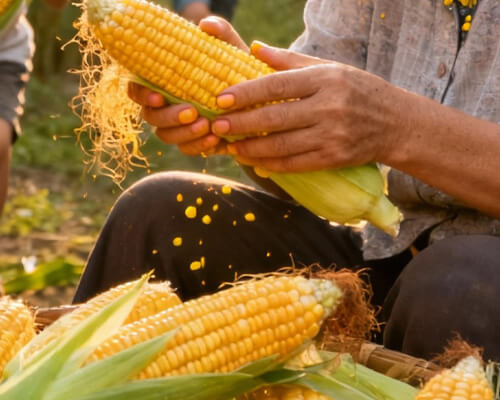
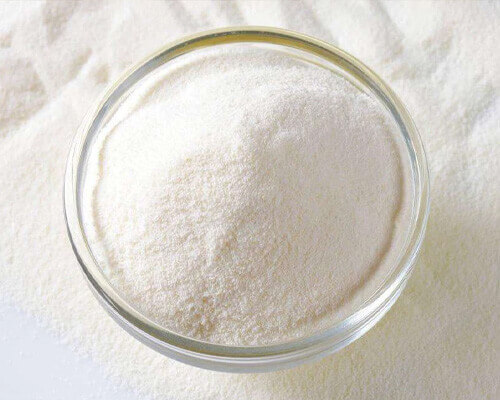
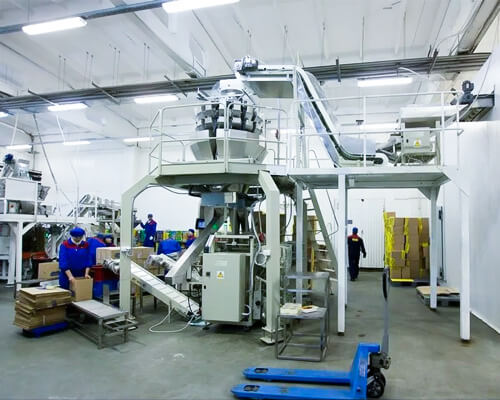
This is the only comprehensive agricultural open development experimental zone in China. Adhering to a global perspective and international standards, and leveraging Shandong's advantages and Weifang's unique characteristics, it provides a new model for agricultural opening-up and new experiences for modern agricultural development.In the fertile fields of Changle, Weifang, the once ordinary corn crop is undergoing a remarkable transformation from field raw material to high-value-added products, thanks to the open development platform of the Weifang National Agricultural Comprehensive Zone and the full-chain layout of Shengtai Pharmaceutical. This is writing a vivid chapter in the industrialization and internationalization of agriculture. After decades of dedicated development, Shengtai Pharmaceutical, as a leading enterprise in agricultural industrialization, has rooted itself in the corn deep-processing sector. With a full-chain approach, it has reshaped the value of corn, building a complete industrial system from raw material control to end products, from technology research and development to global trade. This allows corn to achieve value transformation through biotechnology, becoming a core high-quality raw material in multiple fields such as pharmaceuticals and food.In the R&D center laboratory of Weifang Shengtai Pharmaceutical, researchers are focused on testing the dissolution parameters of glucose raw materials. "By optimizing the crystallization temperature and stirring rate, the product's bulk density and crystallization yield have been significantly improved," explained Li Hailiang, director of the company's R&D center. This technological breakthrough not only provides higher-quality raw materials for downstream food and pharmaceutical industries but also allows the company to maintain its leading market share in pharmaceutical glucose. From the field to the factory, from R&D to the market, Shengtai Pharmaceutical consistently adheres to the highest international standards in quality control, creating a diversified product portfolio including starch, glucose, maltodextrin, and crystalline fructose. Currently, its products cover 30 provinces, municipalities, and autonomous regions in China and are exported to over 70 countries and regions worldwide.Starting with a single kernel of corn, Shengtai Pharmaceutical continues to empower industrial upgrading through technological innovation and expand into the global market with an open vision. On the development platform of the Weifang National Agricultural Comprehensive Zone, it is constantly exploring new paths for the intensive processing of modern agriculture, unleashing the great potential of small corn kernels and continuously contributing to the high-quality development of modern agriculture.
Weifang Shengtai Medicine Co., Ltd., a hidden champion in the domestic glucose raw material industry with many years of experience, has always prioritized the iterative upgrading of glucose production processes in its R&D, continuously tackling technological challenges with stringent standards in the high-end pharmaceutical and food raw material market.In the company's R&D center laboratory, the R&D team is conducting refined experiments focusing on the core aspects of glucose production. Researchers are concentrating on testing the solubility parameters of glucose raw materials, constantly refining the details of the production process. Li Hailiang, director of the company's R&D center, explained, "By optimizing the crystallization temperature and stirring rate, the product's bulk density and crystallization yield have been significantly improved." This technological breakthrough not only further solidifies the product's quality barrier, providing higher purity and more stable high-quality raw materials for downstream food and pharmaceutical fields, but also propels the company's domestic market share of pharmaceutical glucose to nearly 60%, firmly establishing its leading position in the industry. Currently, Shengtai Pharmaceutical's starch and glucose series products cover 30 provinces, autonomous regions, and municipalities in China, and are exported to more than 70 countries and regions worldwide, making it a benchmark enterprise for Chinese glucose raw material exports.
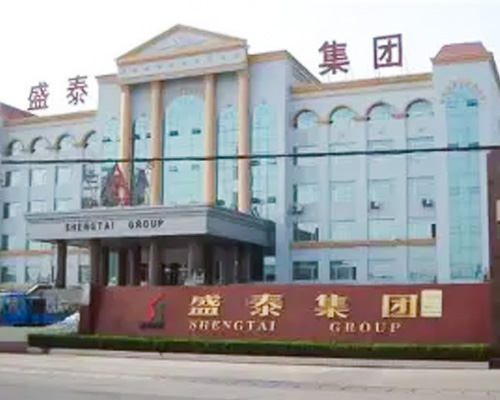
In March 2026, SHENGTAI GROUP was abuzz with good news; its various business segments joined forces to achieve breakthroughs across multiple fronts—including green development, global expansion, and strategic upgrades. Leveraging its solid industrial foundation, robust innovative capabilities, and clear development strategy, the Group continues to demonstrate the strength of an industry leader, extending the reach of the SHENGTAI GROUP brand globally and establishing it as a benchmark for diversified industrial development.As a comprehensive, large-scale enterprise group, SHENGTAI GROUP has spent years cultivating its operations to build a diversified industrial portfolio spanning numerous sectors. Its core businesses encompass pharmaceuticals and excipients, food ingredients, food additives, edible oils, trade and logistics, and textiles and apparel. This structure has fostered a virtuous ecosystem characterized by upstream-downstream synergy and mutual complementarity across multiple industries.In its core business areas, SHENGTAI GROUP has demonstrated outstanding performance: The pharmaceuticals and excipients segment—a traditional area of strength—boasts a domestic market share exceeding 60% for its injectable glucose products and enjoys an excellent reputation within the starch sugar industry. The food ingredients segment has emerged as the Group’s most supportive pillar and holds the greatest potential for future growth, serving as a reliable provider of high-quality raw materials for the food industry. Meanwhile, the textiles and apparel segment has expanded its scope for growth through a globalized strategic layout, further enriching SHENGTAI GROUP’s industrial matrix and enhancing its core competitiveness.SHENGTAI GROUP’s products are now exported to 30 provinces, municipalities, and autonomous regions across China, as well as to over 70 countries and regions worldwide. By establishing a strong brand image in the international market, SHENGTAI GROUP has become a prominent representative of Chinese enterprises venturing onto the global stage.Recognized as a "Green Factory" in Weifang City, SHENGTAI GROUP remains steadfast in its development philosophy of "Safety, Naturalness, and Health." It integrates green development principles throughout its entire production and business operations, actively fulfilling its corporate social responsibilities. By obtaining relevant environmental management system certifications and non-GMO product certifications, SHENGTAI GROUP has established a comprehensive quality control system—spanning from production bases to retail terminals—to ensure both product safety and environmental friendliness. This approach enables a "green production" model characterized by minimal environmental impact and optimized resource and energy consumption. SHENGTAI GROUP will further increase its investment in green development and formulate a clear roadmap for carbon reduction. Through measures such as optimizing its energy mix and revamping production processes, the Group aims to drive its production and operations toward low-carbon and zero-carbon status. By striving to reduce the carbon emission intensity at its major production bases and establishing a closed-loop green industrial chain, SHENGTAI GROUP seeks to facilitate the industry's green transition, thereby demonstrating its strong sense of corporate responsibility and commitment.SHENGTAI GROUP consistently regards technological innovation as its core driving force. The Group is dedicated to providing customers with comprehensive, one-stop solutions—spanning everything from new product R&D and manufacturing to sales and after-sales service—while continuously enhancing both its product competitiveness and market influence. In terms of product innovation, SHENGTAI GROUP leverages its modified starch product series as a foundation to focus on developing differentiated and customized products, thereby positioning its food additives division as a key driver of profit growth for the Group.Looking ahead, SHENGTAI GROUP will remain steadfast in its commitment to its industrial roots, deepen its strategic industrial layout, intensify technological innovation, promote green development, and continue to expand its global market presence. Upholding its core development philosophy of "Safety, Naturalness, and Health," SHENGTAI GROUP will craft quality through meticulous craftsmanship and lead development through innovation. The Group will continue to empower global industrial upgrading, striving to achieve its strategic goal of "becoming an international industry benchmark" and ensuring that the power of the SHENGTAI GROUP brand continues to shine brightly on the global stage.
Shengtai Group has carved out a name in manufacturing and industry, especially when talking about the tire sector and rubber supply chain. Some people might shrug at the idea of dissecting which companies belong to Shengtai or what those companies actually do on a daily basis. But these subsidiaries build the backbone of the group’s impact. Local economies feel these effects firsthand, as each subsidiary takes on its own segment of production or service, creates jobs, and pushes for technical progress in its own style. For me, watching the way these companies interlock shows just how deeply industry and local life connect.Shandong Shengshi Tailai Rubber Technology focuses squarely on the technical side of tire and rubber materials. Plants run around the clock, turning raw materials into finished products that end up on trucks, cars, and even tractors across continents. Factories like this don’t just churn out goods. They build careers. Walking through a plant, the hum of machines mixes with the rhythm of workers—mechanics, safety engineers, chemists—each adding their own skill. According to industry reports, China’s share of global tire output keeps climbing, and the work coming out of subsidiaries like Shengshi Tailai is one of the reasons behind it. The global auto industry counts on steady supply, and no major manufacturer gets very far without partners like these.Trade links make or break a company’s move to the global stage. Shengtai Group International Trading stands at that crossroads, handling export orders, interpreting market shifts, and moving containers through customs. From my own experience visiting logistics parks in coastal areas, I saw mountains of tires tagged for destinations in the Middle East, Africa, and South America. Subsidiaries trading on this scale don’t just handle paperwork; they have teams that jump into action chasing exchange rates, figuring out regulations, and working overtime when ships get backed up in port. As Chinese tire exports rise year after year according to customs data, the nuts and bolts of that growth often come from specialists working quietly behind the scenes. Every successful overseas delivery keeps Shengtai’s name relevant and helps preserve hard-won business partnerships.Sustainability isn’t just a buzzword in the rubber industry anymore. It’s a demand from regulators and end users alike. Shengtai Group subsidiaries are bringing these efforts down to earth in real, measurable ways—think cleaner solvents in production, tighter recycling programs, and research labs hunting for eco-friendlier compounds. Having toured similar facilities, I’ve seen how waste rubber gets collected for reuse, slashing landfill loads. Small changes can trim both bills and emissions. Some subsidiaries have started pilot projects for reclaiming worn tires, breaking them down for a second or even third lifecycle. This sort of innovation often grows from the bottom up; company headquarters can set broad policies, but the engineers and managers at the subsidiary level actually turn them into working systems that stick.Every plant that opens a new line, every new warehouse, every trading office means new jobs and more opportunities for local families. Subsidiaries of Shengtai pay thousands of workers, feed local suppliers and restaurants, and help fund community programs from road repairs to schools. If you ever talk to someone who grew up in one of these industrial zones, the mix of pride and pressure stands out—families count on steady employment, and shifts that run through the night can feel like a lifeline. It’s easy to forget how wide an impact it all has until you see entire towns that basically grew up around plants like these. In downturns, the ripple effect also shows up fast. Local economies need companies willing to invest for the long haul, not just chase quick profits. Shengtai’s strategy of running tightly focused subsidiaries raises the stakes, as each one has to stay viable and sharp.Competition runs fierce in tire and rubber manufacturing. Subsidiaries aren’t immune to the pressures of global pricing, new regulations, or sudden shocks like supply chain breakdowns. Companies keeping pace need to keep equipment up to date, train workers, and anticipate what clients want next. In my time following industry stories, I’ve seen how upgrades sometimes hit snags—either from high investment costs or from the skills gap as new machines roll out. The big task for Shengtai’s subsidiaries involves staying relevant. Some plants experiment with automation, others focus on specialty tires for specific weather or road types. These moves aren’t about scaling back on workers, but rather investing so that workers and managers can grow with the technology, not get left behind.Trust isn’t built through advertising or awards alone. Subsidiaries must meet tough standards set by safety regulators at home and buyers abroad. Independent audits, certifications, and customer feedback matter here. On factory visits, I’ve seen real pride when a company earns a new quality certificate or passes a surprise inspection. Knowing that lives depend on a tire gripping the road gives everyone in that chain a sense of purpose. When problems pop up—recalls, missed deliveries—subsidiaries have to answer quickly and transparently. Failing to do so breaks trust and cuts off future opportunities.Subsidiaries have shown they can help Shengtai adapt and thrive, but the big picture stays tied to people on the ground. Training, investment in greener production, stronger partnerships with local suppliers and customers—all of these point to a future shaped by constant change. For the broader community and industry, it’s the progress inside companies like these that often makes the difference, not just for the bottom line, but for the world outside the factory gates.
WeiFang Shengtai Pharmaceutical isn’t a household name outside the industry, but for anyone who’s spent time asking doctors or lab techs about the basic building blocks of medicine, their work stands out. I remember hearing about companies like this from older pharmacists, people who make a living blending tradition and science, and I know that reliable suppliers make or break the health system. There are few things more important than trust when it comes to medicines. Trust doesn’t come from ad campaigns or polished press releases. Doctors and hospitals lean on companies like WeiFang Shengtai because when the product hits the loading dock, it needs to be exactly what’s on the invoice—no surprises, no shortcuts. The importance isn’t abstract either. Contaminated product or inconsistent batches aren’t just business risks. Lives ride on these shipments. Every time I try to get a straight answer from drug supply chain folks, the topic almost always veers toward consistency under pressure. International competition, trade hurdles, volatile currency rates, and regulatory curveballs all hit the factory floor long before any patient opens a bottle. After watching global shortages sweep through over-the-counter aisles during the pandemic, I got a blunt reminder: reliable production in places like WeiFang keeps medicine chests stocked everywhere. Reports say China covers a big chunk of the world’s key pharmaceutical ingredients. Pulling out of these partnerships or betting on flashier suppliers doesn’t fill the gap. From what I’ve seen, companies that keep their focus day in and day out—following regulations, working with inspectors, investing in safer equipment—are worth more than any headline. Regulators in Europe and the US keep talking about stepping up inspections abroad, and I get it. Medicine only works if it works every single time, and the only way to get there is by demanding top standards, period. I’ve asked pharmacists about their experiences with products coming from well-established companies like WeiFang, and the feedback lines up with inspection reports: you need consistency, batch after batch, year after year. If a supplier keeps producing questionable goods, word spreads faster than any official warning. Transparent operations help build trust. Companies serious about safety and accuracy will publish test results, share quality records, and open their facilities to inspectors. Over time, the gap between companies that walk the walk and companies that cut corners gets wider.The news covers recalls quickly—sometimes the damage is done before it even hits the wire. Most of us don’t track the backstory behind our aspirin, yet the ethics of the global pharma industry matter as much as any new prescription. I’ve covered stories on adulterated ingredients or rogue facilities, where corners weren’t just cut but hacked away. Every step in the supply chain needs eyes on it to keep patients safe. It’s tiring but necessary. Companies like WeiFang need more than compliance; they need to create a culture where every worker knows their job is tied to someone’s well-being. Partnering with local communities, investing in training, and opening up to public pressure lead to a stronger business over time.I’ve always seen opportunity in companies that can pivot under pressure, take criticism, and improve instead of making excuses. For WeiFang Shengtai, the next few years mark a stretch when upgrades and full transparency aren’t optional—they’re what sets leaders apart from those just getting by. No single company can fix global trust or patch every hole in the supply chain, but a genuine push for better safety, ongoing audits, and quicker public reporting on quality issues goes a long way. Investment in cleaner energy, waste reduction, and safer disposal practices would place WeiFang ahead of trends that consumers and regulators will enforce anyway. The global public is watching more closely, and they’re holding manufacturing giants to higher standards every year. Putting money where it counts—whether in worker health, cleaner technology, or advanced testing equipment—brings long-term wins both in reputation and real-life outcomes for patients everywhere.Every industry can get comfortable until a misstep shakes things up, and the pharmaceutical world runs on constant vigilance. Companies like WeiFang Shengtai, if they seek sustained respect, keep learning from their own stumbles and from what happens to competitors. I’ve seen the damage that comes from pretending problems don’t exist, and I’ve also talked to leaders who own up, adapt, and keep improving. For any company, real progress looks like hiring independent inspectors, keeping workers in the loop, and making recall data public. Instead of hiding from bad news, strong firms show the public what concrete steps they’re taking. That’s what earns long-term loyalty from buyers and confidence from hospitals. People need to know that from the top of the company down to the factory staff, quality and patient safety matter more than squeezing out another quarterly profit.There’s no getting around it: pharmaceuticals don’t just come out of thin air. They come from places like WeiFang, from workers and chemists who show up in every shift and put their skill on the line. When I talk to folks in the field, they want the work to matter beyond paychecks and production quotas. Big companies chart their future not just on product lines, but on the trust they hold with the world. Investing in transparency, upgrading technology, and facing honest scrutiny should never be seen as a burden. It’s the only route to lasting success and public respect, especially in an industry as critical as medicine.
Shandong Shengtai Biotechnology Co., Ltd. has managed to carve out a significant space for itself in the biotech world by sticking close to the land and the real needs of both human health and modern industry. I remember touring similar corn processing factories during my travels across China’s agricultural heartland. You find workers who know every step of the process, managers who can rattle off production statistics as easily as recipe ingredients, and a company mission that often feels closer to feeding families than spinning profits. Shengtai draws heavily from Shandong’s rich farming culture, funneling locally grown corn into something much larger—a supply chain that stretches from bakeries and soft drink plants all the way to medicine cabinets in cities a thousand miles away. What sets companies like Shengtai apart comes down to more than size or the number of years in the business. It’s the ability to turn one of nature’s simplest grains into a list of useful products most people never think about: glucose syrup, starch for thickening soups and sauces, dextrose for IV drips, sorbitol for toothpaste and sugar-free gums. The products don’t just help food factories run smoothly but touch the lives of millions who rely on safe, consistent ingredients—whether they’re diabetics reaching for low glycemic options or children taking medicine sweetened without cane sugar. Focusing on both food safety and environmental care isn’t just a marketing boast. China has seen its share of food safety scandals, and a company with Shengtai’s reach has to earn both trust and regulatory approval every step of the way. This involves strict adherence to international standards, from ISO certifications to kosher and halal inspections—an assurance most food buyers demand before signing long-term contracts. Good manufacturing practices help protect public health, win big clients, and avoid the painful recalls that have hit less careful producers. Sustainability goes beyond buzzwords at Shengtai. Government pressure and public opinion in China have nudged every large agricultural business toward better water treatment, smarter energy use, and full transparency on sourcing. Shengtai processes millions of tons of corn each year, which puts a lot of strain on local resources if handled carelessly. Working with local farmers, they help streamline logistics and supply, making sure raw corn isn’t left to rot in fields or lost in transport. Investments in biomass boilers and wastewater filtration add another layer of responsibility—not only saving on fuel costs but helping nearby communities breathe easier and drink cleaner water. Modern biotech firms face demands for traceability; companies need to answer tough questions from clients and regulators who want proof their production doesn’t pollute rivers or dump chemical waste. My time covering environmental issues in northern China showed the stark difference between factories that recycle and those that don’t. Shengtai’s efforts to close environmental loopholes result from both smarter management and pressure from buyers abroad who refuse to purchase from dirty supply chains. Competition in the starch and sweetener industry is intense. The market swings with global corn prices, and domestic producers battle both rising costs and imports from places like the United States or Ukraine. Currency fluctuations, trade negotiations, and shifting government subsidies can all throw a wrench in planning. Shengtai’s strategy includes frequent investments in technology upgrades—automated controls, enzyme research, and process innovation help them squeeze more value from each kernel while reducing waste. They also reach for global partnerships to develop specialty ingredients—custom formulations for the pharmaceutical or food industries that demand purity and reliable sourcing. By blending in-house R&D with outside collaborations, companies keep pace without falling behind competitors who can undercut prices or leap ahead with new patents. Local sourcing policies help support regional economies, but global supply volatility means flexibility is necessary to keep production lines moving even during poor harvests or trade disputes. Most people don’t realize how many everyday products depend on companies like Shengtai. From the thickener in their yogurt to the ingredient list on an energy drink, Starch derivatives quietly help shape taste and texture without drawing attention. Medical products like IV fluids owe much of their safety and reliability to standards enforced in factories far from city hospitals. My visits to rural clinics in China made it clear that reliable suppliers mean fewer risks for both doctors and patients. On a broader scale, biotech producers lift local economies, creating jobs that keep rural youth from migrating to overcrowded cities. Wages, safety standards, and staff training make a real difference, especially in farming communities where work is hard and seasonal. It’s rare to find a family in some counties that hasn’t benefited from higher corn prices or jobs in food processing. The world of biotechnology moves fast, and Shengtai faces the challenge of staying ahead of shifting regulations, new health trends, and changing customer preferences. Plant-based sweeteners and non-GMO requests no longer come exclusively from outside markets; local Chinese supermarkets and online platforms echo these demands, prompting a steady evolution in product lines. Green initiatives and corporate responsibility now help drive investment, as banks and insurers pay close attention to environmental records. Recent pushes toward fully traceable raw materials and tighter emissions standards aren’t just cosmetic—they reflect an underlying shift in how both business and consumers measure trust. Support for local agricultural science, education partnerships, and workforce training funnel a portion of Shengtai’s profits back into the surrounding community, laying the groundwork for both company and region to grow together. Working in the food industry taught me that the real value of a company like Shengtai isn’t just in revenue or export numbers but in the ability to connect rural and urban, farm and factory, tradition and modern science. Chinese biotechnology draws on century-old farming techniques and matches them with innovations from labs around the world. As corn grows taller in Shandong’s fields, it becomes the backbone for a system where local people prosper, global clients get safe and affordable ingredients, and the planet stands to gain from cleaner processes. The journey from a single stalk of corn to the bright package in a grocery aisle passes through hands that balance efficiency with care—something I saw firsthand visiting companies not afraid to open their doors and share their story from seed to shelf.Contact InformationWebsite: https://www.weifang-shengtai.com/Phone:+8618112911328Email:sales1@liwei-chem.com